
Melatonin For Children: A Parent's Guide To Safe Use, Dosing & When To See A Doctor
11 Sep 2026
Key Takeaways
- Melatonin for children works best as a short-term aid alongside a real bedtime routine, not as a nightly replacement for one.
- Typical starting amounts run from about 0.5 mg for toddlers over age 2 (melatonin isn't recommended under age 2), with age-based maximums rising to around 1 mg for toddlers, 2 mg for preschoolers, 3 mg for school-age children, and up to 5 mg for teenagers. A clinician should confirm the actual dosage and the pace of increase for your child.
- Melatonin gummies for kids raise the risk of accidental overdose because children mistake them for candy, so they need medicine-style storage.
- The evidence is strongest for melatonin in children with autism and in a child with ADHD, where a prescription option also exists.
There comes a point when every parent of a young child learns the same nightly negotiation. The additional glass of water. The sudden, desperate need to pee. The mid-sentence stall tactic because apparently bedtime cannot possibly happen yet.
By the fifth round of this, you get tired and look for an easier way. Maybe it’s a late-night scroll where a gummy bottle keeps popping up in your feed. Maybe it’s a friend who casually mentions, “we started giving ours melatonin, it’s done wonders.” Whatever sparks the interest, the idea remains.
Melatonin for children has quietly become everyone’s go-to, the answer that pops up in parenting groups, comment sections, and pharmacy aisles long before anyone stops to ask whether it’s the right call.
Table Of Contents
- Is Melatonin Safe for Kids?
- How Much Melatonin For A Child?
- The Truth About Melatonin Gummies For Kids
- Where The Evidence Is Strongest For Autism And ADHD
- Side Effects, Overdose Signs, And What To Do
- Sleep Habits Worth Trying First
- Get the Best Melatonin for Kids
- Frequently Asked Questions
Is Melatonin Safe for Kids?
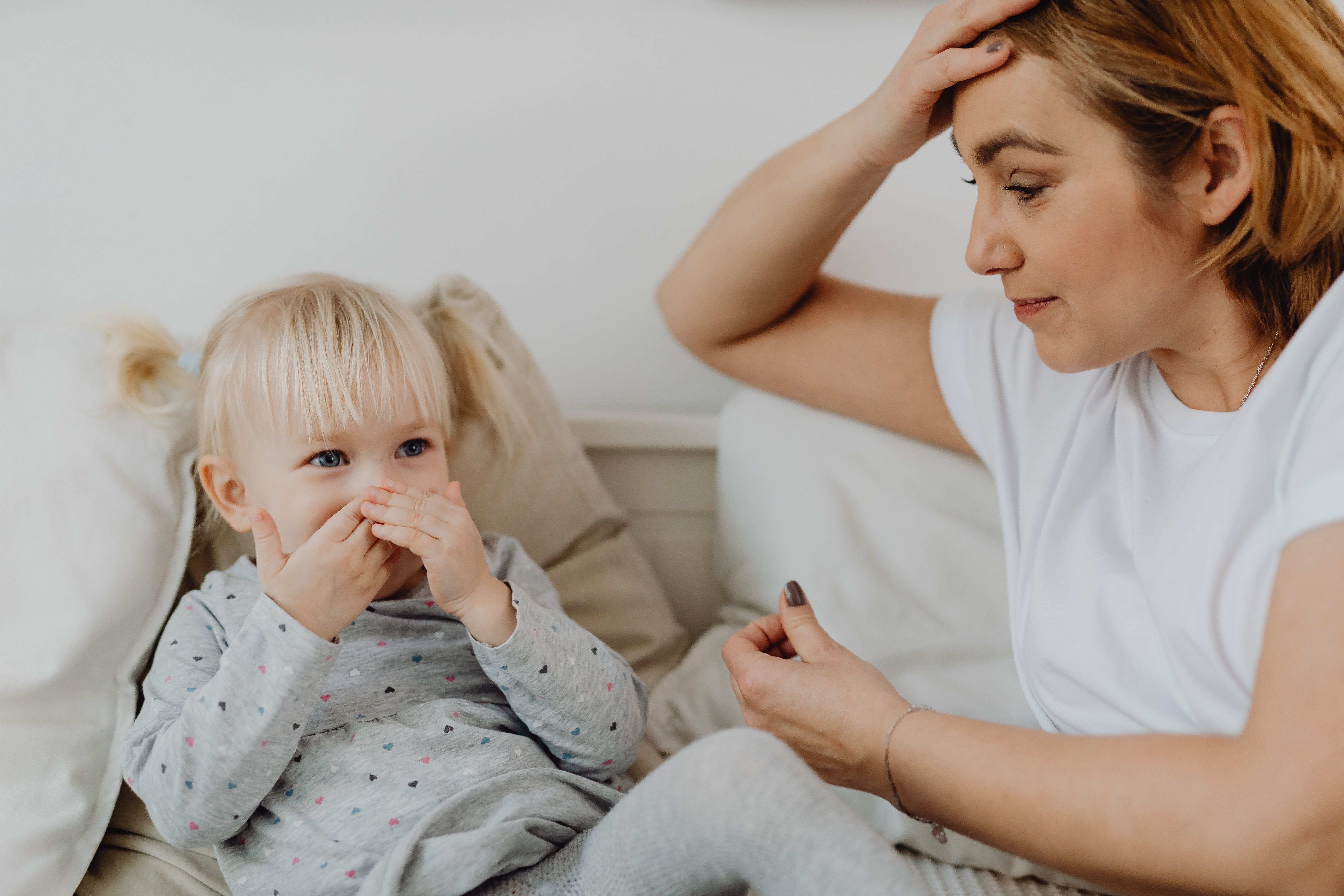
Doctor-guided use of melatonin looks reasonably safe for most healthy children. That's the good news.
he longer you look, the fast the evidence thins out, though.
Melatonin itself is a hormone your child's brain already makes every night. The pineal gland releases it as it gets dark outside, and that signals bedtime is approaching. A small, timed dose of synthetic melatonin nudges a child's internal clock in that same direction.
Most trials of this treatment last a few weeks to a few months and report only mild, temporary side effects, not anything serious. Long-term data barely exists. Few researchers have followed children taking melatonin for years, which is a gap worth considering.
An expert consensus from the International Pediatric Sleep Association recommends the shortest course possible, and it specifically advises against continuous use beyond three to six months for most typically developing children.
How Much Melatonin For A Child?
Doses generally start around 0.5 mg for the youngest children and top out near 5 mg for teenagers. However, a pediatrician should confirm the exact number rather than a chart.
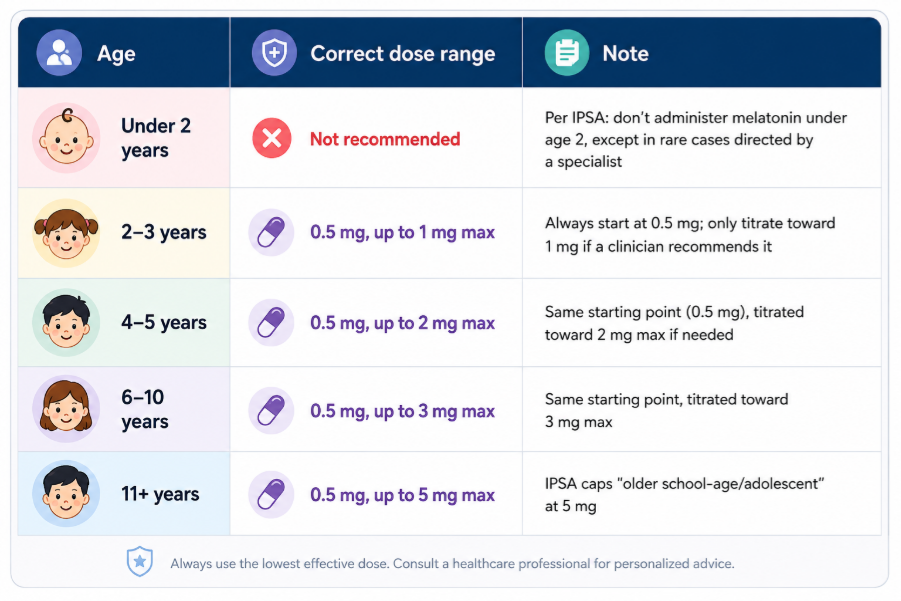
Give it roughly 30 to 60 minutes before the bedtime you're aiming for, at a consistent time each night. Start at the lowest number on the chart and only move up if your child's doctor agrees. More isn't automatically better with melatonin dosage for kids, and higher amounts tend to cause next-morning drowsiness rather than deeper sleep.
The Truth About Melatonin Gummies For Kids
Melatonin gummies for kids are everywhere now, and it's easy to see why parents like them. A soft, fruit-flavored chew goes down a lot easier with a five-year-old than a tablet does. Brands know this, which is why the packaging looks like it belongs in a candy aisle rather than a pharmacy shelf.
That's exactly the problem, since the same appeal makes gummies risky the moment they're left within reach. A child who thinks a bottle looks and tastes like candy will happily eat far more than one serving, and this is a real, growing problem rather than a rare one.
Poison control centers have tracked a sharp rise in calls involving children who swallow melatonin without supervision. In Australia, calls to poison hotlines involving children aged fourteen and under more than doubled between 2019 and 2024, and specialists there point to gummy formats as a major driver.
Where The Evidence Is Strongest For Autism And ADHD

Melatonin has its strongest clinical evidence in children with autism spectrum disorder or ADHD-related insomnia. Sleep-onset problems show up far more often in these children, often because their bodies produce and respond to melatonin differently, and several clinical trials show real improvement in how quickly these kids fall asleep and how long they stay asleep.
This case is also the one situation with a properly licensed medicine rather than an over-the-counter supplement. The European Medicines Agency has approved a prolonged-release melatonin tablet for insomnia in children aged 2 to 18 with autism or related neurogenetic conditions and in children aged 6 to 17 with ADHD, specifically once a consistent bedtime routine hasn't worked on its own.
A specialist prescribes and monitors it, which makes it quite different from an over-the-counter bottle bought on impulse. Parents researching melatonin for ADHD child use, or melatonin for children with autism specifically, should raise this prescription route with a pediatrician before trying a supplement independently.
Side Effects, Overdose Signs, And What To Do
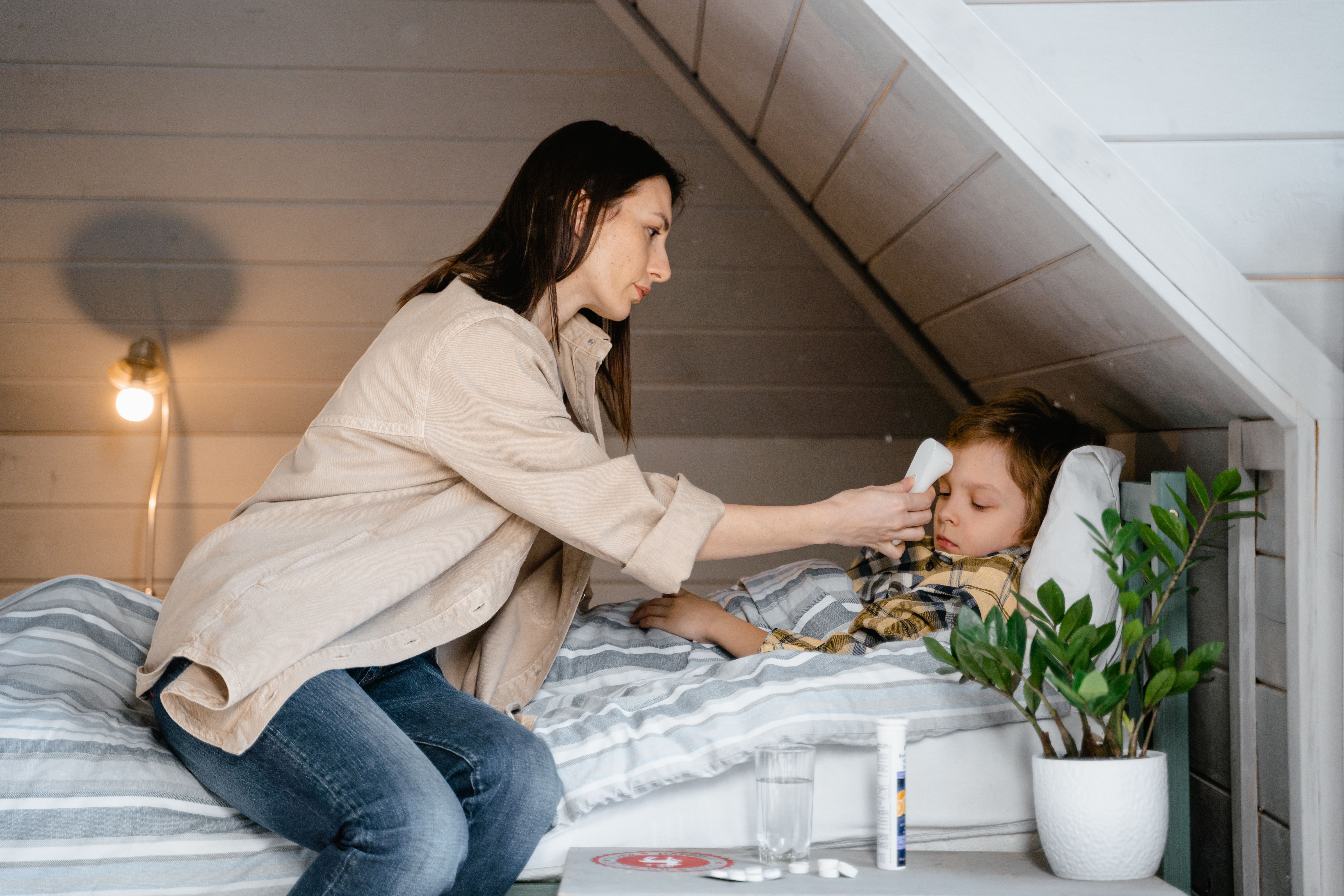
Most children tolerate melatonin with only mild, short-lived side effects. Still, it helps to know the difference between an ordinary reaction and a real emergency before you ever need that knowledge at 2 am.
Common, mild melatonin side effects in children:
- Morning grogginess
- Headache
- Dizziness
- Mild stomach upset
- Occasionally, vivid dreams or bedwetting
These typically fade once you lower or stop the dose.
Why overdose risk is real, especially with gummies:
- A true overdose is uncommon but does happen.
- A child can swallow ten or more gummies in one sitting without anyone noticing right away.
- This is exactly why every bottle belongs on a high shelf, never on a nightstand or kitchen counter.
Warning signs to watch for:
- Unusual sleepiness that doesn't match a normal nap
- Agitation or tremor
- Upset stomach
- A noticeably slow heart rate in a younger child
What to do if you suspect an overdose:
- Call your local poison control line or NHS 111 right away if your child has swallowed more than their usual dose.
- Get emergency care if they're difficult to wake or seem seriously unwell.
- Bring the bottle along so the clinician can see exactly how much melatonin your child took.
On long-term, nightly use:
Most pediatric guidance leans toward no, not without regular check-ins. The same long-term-safety questions that apply to adults taking melatonin every night apply here too, just at a lower dose and with a doctor actively watching. Melatonin works as a hormone, not a vitamin, so ongoing nightly use deserves active monitoring rather than autopilot.
Sleep Habits Worth Trying First
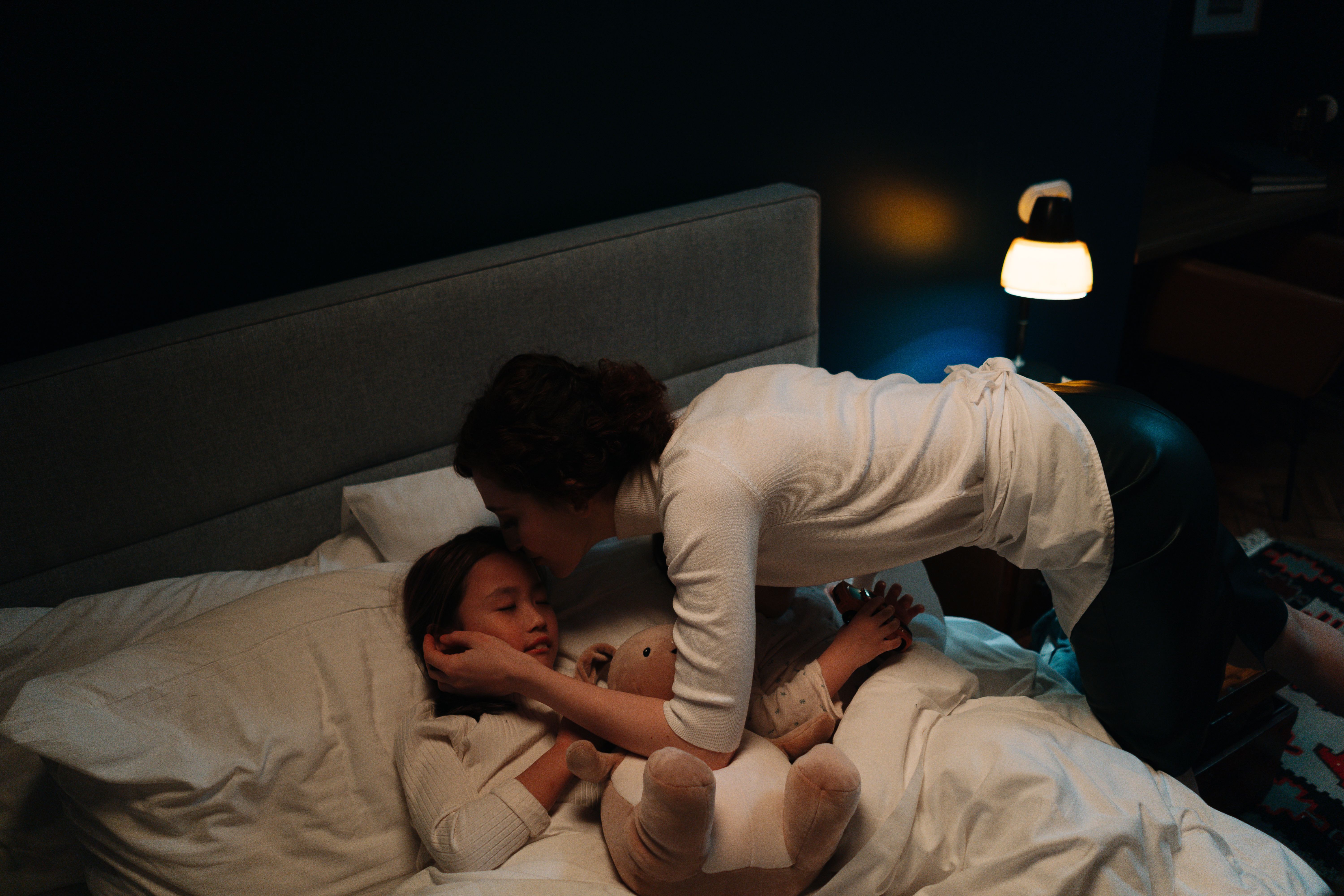
Most pediatric sleep specialists want to see a genuine effort at sleep hygiene before melatonin is considered. It resolves the underlying problem for a large share of children without any supplement.
- Keep bedtime and wake time consistent, even on weekends, so the body's internal clock gets a steady signal.
- Turn off phones, tablets, and TVs at least an hour before bed, since blue light and stimulation both delay natural melatonin release.
- Dim the lights in the hour before bed and keep the bedroom cool, dark, and quiet once your child is down.
- Build a short, predictable wind-down routine, such as a bath followed by two books and lights out, so the brain learns what comes next.
- Cut caffeine sources like chocolate, cola, or iced tea from the afternoon onward, and get some daylight and movement earlier in the day.
Get the Best Melatonin for Kids
Once a pediatrician approves melatonin and there is a genuine sleep onset problem driving the struggle, melatonin for children can be a truly helpful short-term tool. It isn't something to hand out the way you'd give a multivitamin, and it won't fix a child who's overtired, overstimulated, or fighting bedtime out of habit.
Ready to find the right fit for your child? Order Vitasunn's children's melatonin gummies, with the milligram strength listed clearly on the label. Whatever you buy, store it like medicine, use the lowest dose that works, and treat it as one part of a bigger sleep routine rather than the whole solution.
FAQs
Is melatonin safe for children?
For short-term, supervised use in a child with a genuine sleep-onset problem, most pediatric guidance considers it reasonably safe, provided a doctor takes part in the decision and the dose.
What's the right melatonin dose for a child by age?
Typical starting ranges run from about 0.5 mg up to around 5 mg. The right number still depends on weight and the reason for the sleep trouble, so a clinician should confirm it.
Can toddlers or babies take melatonin?
Generally no. Melatonin for toddlers under two isn't recommended outside rare cases a specialist manages directly for a specific medical reason.
Are melatonin gummies safe for kids?
They can be, at the correct dose. Their candy-like taste and look make accidental overdose more likely, though, so medicine-style storage matters as much as the dose does.
When should I give my child melatonin before bed?
Around 30 to 60 minutes before the bedtime, you're aiming for, given at roughly the same time each night for consistency.
Can children take melatonin every night or long term?
Most guidance says no without regular medical review. Ongoing nightly use beyond three to six months isn't recommended for most typically developing children.
What are the side effects of melatonin in children?
Morning grogginess, headache, mild stomach upset, dizziness, and occasionally vivid dreams or bedwetting are the most commonly reported effects, and they're usually mild.
Is melatonin safe for children with autism or ADHD?
This is actually where the evidence is strongest. Melatonin for children with autism and melatonin for an ADHD child both have solid clinical trial support, and a prescription prolonged-release option exists across the EU for these specific groups.
Can a child overdose on melatonin, and what should I do?
Yes, particularly with gummies, since a bottle can look like candy to a small child. Call poison control or NHS 111 right away if you suspect an overdose, and seek emergency care for severe symptoms, such as difficulty waking or trouble breathing.
What are natural alternatives to melatonin for kids' sleep?
A consistent bedtime and wake time, an hour free of screens before bed, a short wind-down routine, a cool dark room, and daytime exercise and daylight exposure all genuinely help most children fall asleep faster without any supplement.